
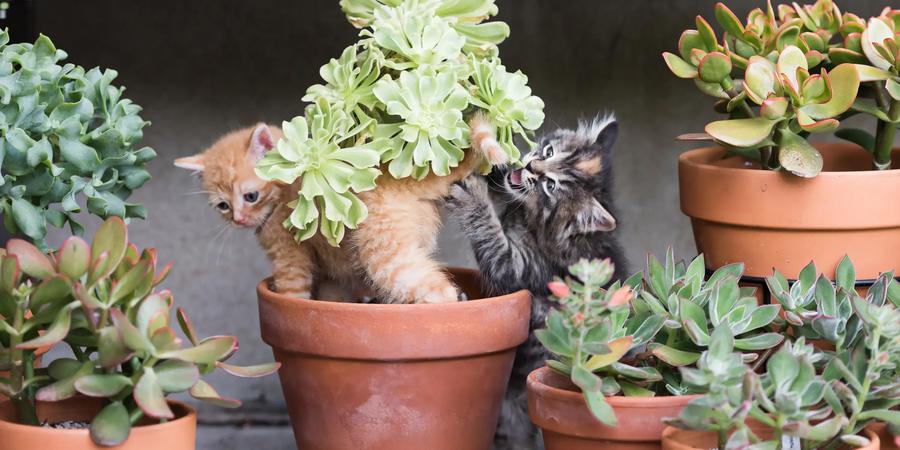
Pets are curious creatures, and sometimes that curiosity can get them in trouble. This pet poison prevention guide helps pet owners identify common pet poisons, toxic substances, and human foods that can harm dogs and cats, along with safe, healthy alternatives to protect them.
If you ever suspect your pet has ingested something toxic, contact your veterinarian or the ASPCA Poison Control Center immediately.
Safe Choice:
Avoid This:
Pet-Friendly Peanut Butter
Choose an all-natural peanut butter without sugar, xylitol, or artificial sweeteners.
Peanut Butter With Sugar or Xylitol
Many peanut butters contain xylitol, a sugar substitute that can cause insulin release and dangerously low blood sugar in pets. This can lead to liver failure, seizures, or even death. Sugary versions can also cause obesity and digestive issues.
Healthy Treats With Fruits & Veggies
Give your pet a healthy dose of fruits and veggies with safe, pet-approved snacks.
Grapes & Raisins
While nutritious for humans, these can cause kidney failure in pets. Veterinarians believe the culprit may be tartaric acid, naturally found in grapes. Even small amounts can be dangerous to dogs and cats.
Crunchy, Nutty Biscuits
They’re just as tasty as nuts but safe for sensitive pet stomachs.
Macadamia Nuts and Other High-Fat Nuts
Macadamia nuts can cause weakness, depression, vomiting, tremors, and hyperthermia in dogs. Signs usually appear within 12 hours of ingestion and can last approximately 24 to 48 hours. Other nuts like almonds and cashews may cause diarrhea or pancreatitis due to their high fat content.
Drinks With Caffeine or Alcohol
Chocolate, coffee, and caffeine products all contain substances called methylxanthines. These can cause vomiting and diarrhea, panting, excessive thirst and urination, hyperactivity, abnormal heart rhythm, tremors, seizures, and even death in pets.
Beverages and food products containing alcohol can cause vomiting, diarrhea, decreased coordination, central nervous system depression, difficulty breathing, tremors, abnormal blood acidity, coma, and even death. Under no circumstances should your pet be given any alcohol.
If you suspect that your pet has ingested alcohol, contact your veterinarian or the ASPCA Animal Poison Control Center immediately.
Flavorful Pet Meals
Add flavor safely with pet-approved foods or treats.
Onion, Garlic & Chives
Onion, garlic, and chives can cause red blood cell damage and anemia in pets, especially when found in soups, sauces, or casseroles.
Raw Pet Food
Boost their nutrition with balanced, protein-rich raw food made specially for pets.
Our favorite raw brands include:
Raw or Undercooked Meat Meant for Humans
The meat and eggs you purchase for you and your family at the grocery store are intended to be cooked, as they may contain bacteria such as Salmonella and E. coli.
Raw egg whites contain an enzyme called avidin that decreases the absorption of biotin (a B vitamin), which can lead to nutritional deficiencies. Egg whites should be cooked before feeding.
Pet food companies have multiple levels of safety procedures and checks in place to avoid bacteria reaching your home. They have a zero-tolerance policy for pathogens in raw food.
House Plants
Many plants—especially lilies, sago palms, and other garden plants —are extremely poisonous to pets. Ingesting or even licking pollen can cause kidney failure in cats.
Check out a more comprehensive list here
Unfermented Cow Milk or Flavored Dairy Products
Because pets can’t easily break down lactose, regular cow milk and many dairy-based products can cause an upset stomach. Flavored dairy products may also contain too much sugar for pets to eat safely.
Toxic Cleaners & Household Products
Common household products such as bleach, antifreeze, and other cleaners with harsh chemicals can be fatal if ingested or even inhaled. Use pet-safe products and store all chemicals securely. Consider using child locks on cabinets to prevent accidental poisoning.
Final Pet Poison Prevention Tips
-
Keep human medications, vitamins, and supplements out of reach.
-
Watch out for baked goods and chocolate on countertops.
-
Be mindful of yard fertilizers, antifreeze, and other potential hazards outside.
-
Save the ASPCA Poison Control number (888-426-4435) in case of emergencies.
When it comes to pet poison prevention, awareness is everything. Protect your pets by knowing the common pet poisons, choosing healthy alternatives, and always consulting your veterinarian for safe guidance.
Remember, before you feed your pet, be sure to do your research. And don’t leave out any questionable plants or products. If you have any questions, come visit us in-store to talk with our Pet Foodies or speak to your veterinarian.